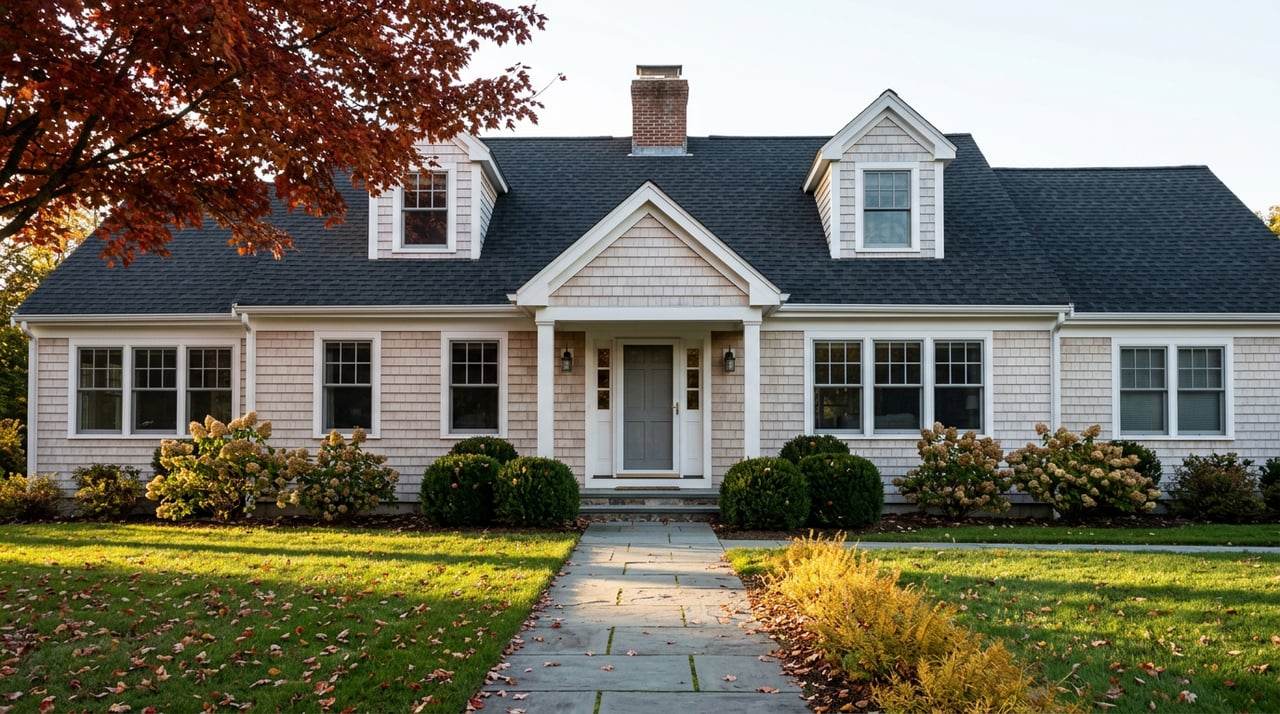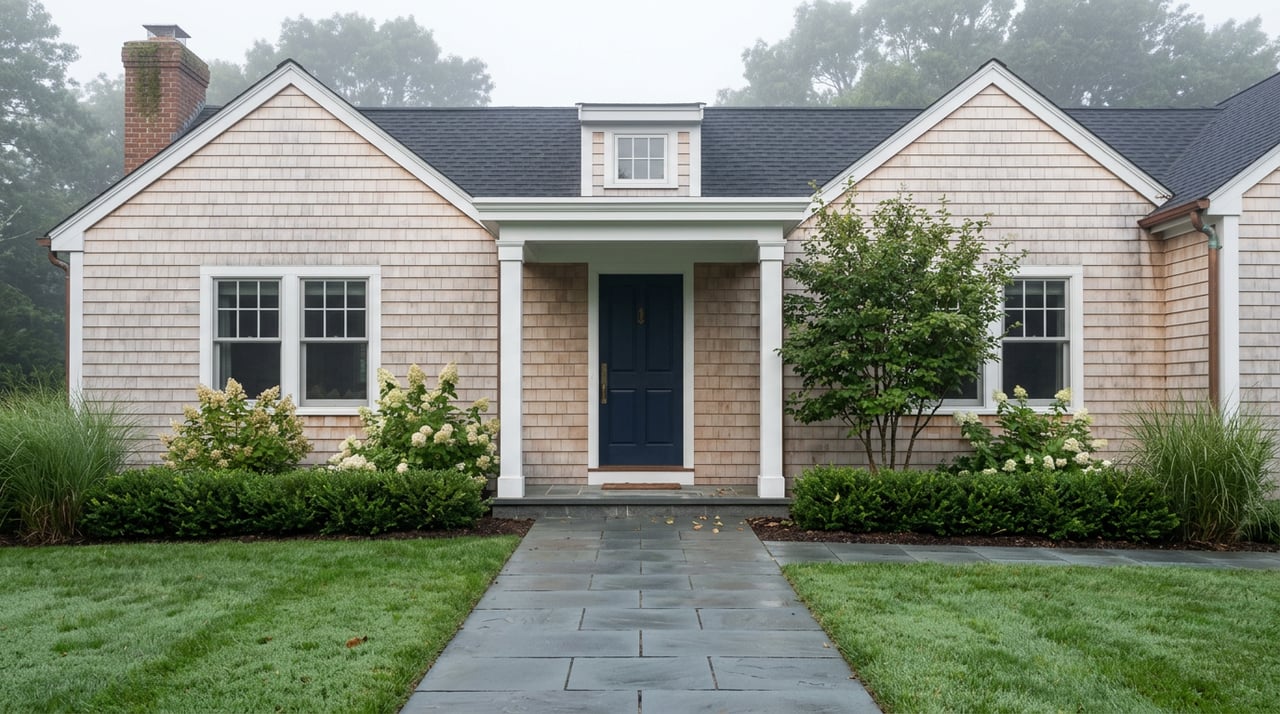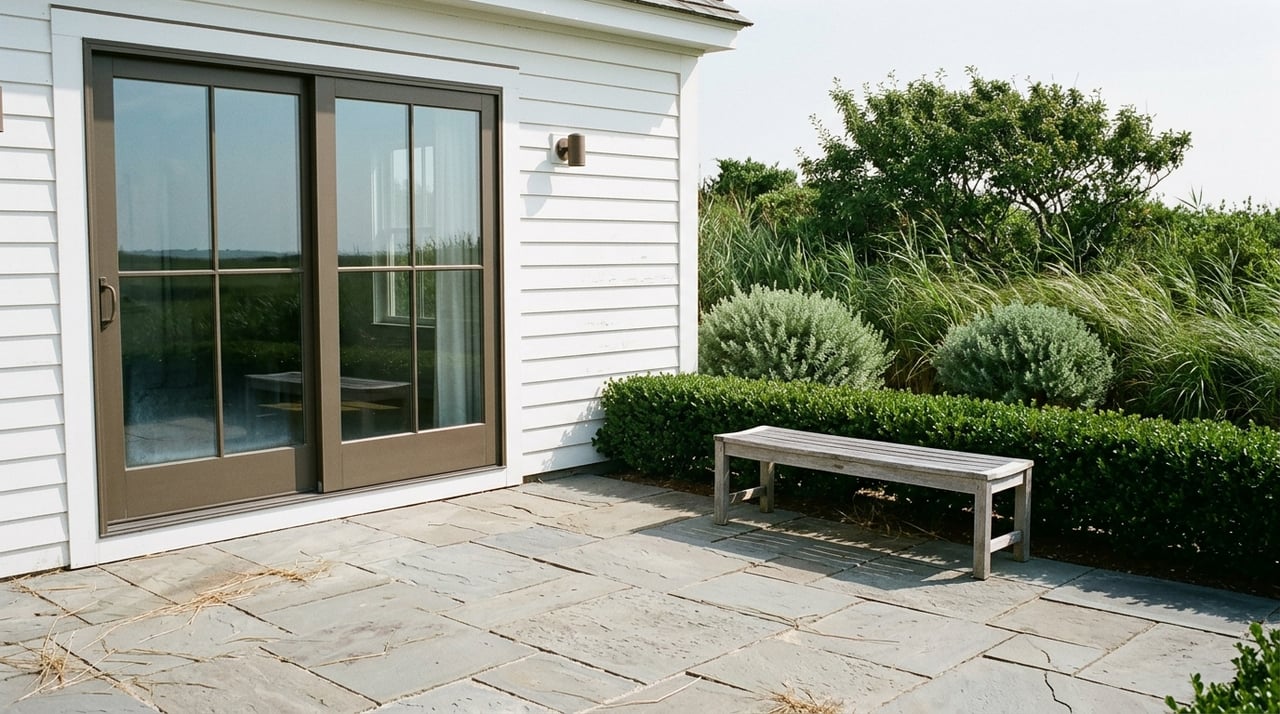
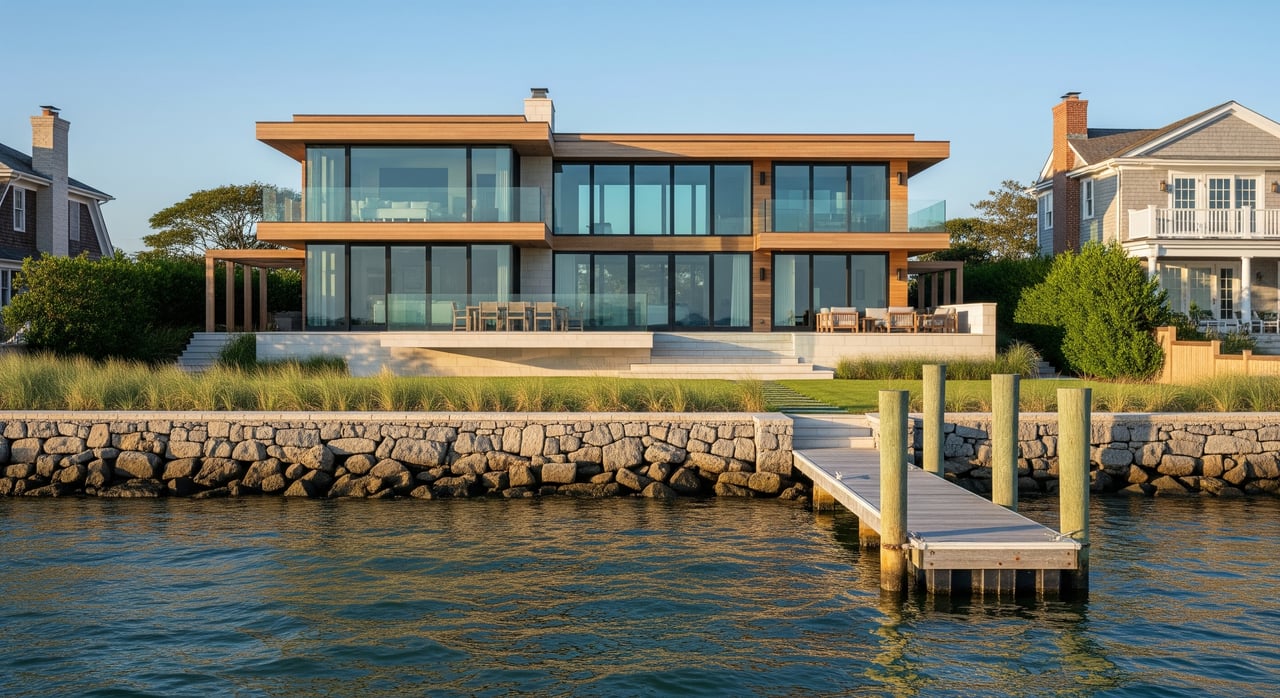
Pricing a Monmouth Beach waterfront home is not like pricing an inland house around the corner. Limited shoreline, evolving flood maps, and insurance costs can swing value more than a quartz kitchen ever will. Whether you are preparing to sell or trying to buy confidently, you need a simple way to sort signal from noise. This guide breaks down the factors that move price here and how to approach comps, risk, and timing. Let’s dive in.
Why waterfront pricing is different
Waterfront parcels in Monmouth Beach are scarce and highly visible, which creates a premium over inland inventory. Buyer demand comes from seasonal and second‑home seekers, year‑round residents who want a beach lifestyle, and NYC‑area professionals who value access to regional transit. Activity tends to peak in spring and early summer, which can influence urgency and offer strength. Inventory also moves differently than the broader market, with lower supply and higher volatility tied to storms, insurance costs, and financing.
Recurring costs matter more on the coast. Property taxes, flood and homeowner’s insurance, and potential assessments for beach or dune projects affect what buyers can comfortably pay. Some lenders restrict loans in high‑risk FEMA zones or require larger down payments, so the buyer pool can tilt toward cash at certain price points.
What drives value at the property level
Waterfront type and view
Not all waterfront is priced the same. Oceanfront often commands the highest price for direct Atlantic exposure, while bay or inlet properties vary based on boating access and relative storm protection. Private shoreline or deeded beach rights can add value compared with public-only access. The quality and directness of the view, including obstruction or privacy, also matters.
Lot and orientation
Lot width on the water, overall depth, and orientation to sunrise or sunset shape buyer appeal. A wider waterline can enhance views and outdoor living options. The presence and condition of a bulkhead, seawall, rip‑rap, or natural dune influence risk, maintenance, and insurance requirements. Shoreline access, whether private, shared, or via a street access point, can also change perceived value.
Elevation and flood zone
Elevation relative to the Base Flood Elevation and FEMA zone classification (such as VE or AE) is critical. Homes elevated on pilings with compliant foundations and flood vents typically hold higher value and insurability than similar homes below required elevations. An elevation certificate helps quantify risk and insurance costs for buyers and lenders.
Condition and storm resilience
Age, recent renovations, and coastal‑grade materials count. Marine‑grade siding, storm‑rated windows and doors, corrosion‑resistant fasteners, and reinforced connections improve durability and desirability. Relocating mechanicals above flood levels and using breakaway walls or flood vents can improve insurability and perceived safety.
Amenities and function
Outdoor living spaces, multi‑level decks, elevators, heated garages, and well‑planned storage enhance daily use. For bay and inlet homes, a private dock, boat lift, and usable depth can be meaningful value drivers. If local ordinances allow short‑term rentals, proven income potential can influence price for investor‑minded buyers.
Legal rights and easements
Riparian rights, beach access easements, and municipal beach maintenance easements affect how you can use the property. Past litigation or FEMA buyout history can limit marketability. Zoning setbacks and coastal restrictions also shape future expansion or rebuild plans, which some buyers value as an option.
Regulation, insurance, and risk
FEMA zones and elevation certificates
FEMA Flood Insurance Rate Maps identify hazard zones. Properties in VE or similar high‑velocity wave zones face stricter building standards and often higher premiums. Sellers benefit from providing an elevation certificate since buyers and lenders rely on it to evaluate risk and cost.
Flood insurance and affordability
Flood insurance under Risk Rating 2.0 changed how premiums are calculated. Homes with prior flood claims or higher exposure can see higher costs. Private flood insurance options exist and may be competitive for higher‑value homes, but underwriting varies widely. Rising premiums can reduce buying power, which affects pricing.
Building codes and permitting
Coastal building codes require elevation, flood‑resistant materials, and features like breakaway walls. Renovations that trigger substantial improvements may require bringing older properties up to current standards. Municipal and state coastal permitting can also limit shoreline modifications or vegetation changes.
Climate and shoreline projects
Sea‑level rise projections and local erosion trends are increasingly part of long‑term pricing. Government beach nourishment or dune projects can stabilize certain stretches, but timelines and assessments vary. Recent storm history and announced mitigation projects should always be checked at the time of listing or offer.
How to price with comps in Monmouth Beach
Selecting the right comparables
- Match waterfront type first: oceanfront to oceanfront, bayfront to bayfront when possible.
- Keep flood exposure similar: compare VE to VE or AE to AE.
- Align lot frontage on the water, overall lot size, and the presence or condition of seawalls or bulkheads.
- Prioritize recent arms‑length sales. If you widen the timeframe, account for market changes and storm events.
Making smart adjustments
- Adjust for exposure and access: private deeded beach or direct frontage typically prices higher than obstructed views or public‑only access.
- Elevation and flood risk matter: homes elevated above BFE with documentation often command a premium, while repeated flood claims or sub‑BFE homes may sell at a discount.
- For bay or inlet homes, docks, boat lifts, and usable depth add value. Factor age and condition of shoreline structures.
- Insurance cost and history influence buyer willingness to pay. Where permitted, documented rental income can contribute to value.
Timing and listing strategy
Seasonality is real. Listings launched in spring often capture peak summer‑minded demand. High‑quality aerials, twilight photography, and clear storytelling around views, access, and resilience can help buyers value the property beyond the basics.
Seller checklist to maximize value
- Obtain an elevation certificate and a recent survey; disclose any prior flood damage or claims.
- Document structural or engineered repairs, including bulkhead, pilings, or foundation work.
- Gather permits and proof of code compliance for additions or renovations.
- Complete a pre‑listing inspection for mold, rot, or structural issues; address deferred maintenance.
- Provide service records for HVAC, electrical, and mechanicals, and note coastal‑grade material use.
- Prepare lifestyle‑driven media, including drone imagery that shows shoreline context and access.
Buyer due diligence checklist
- Review FEMA flood maps and obtain an elevation certificate or measurement relative to BFE.
- Ask for the seller’s flood‑insurance history and prior flood claims.
- Confirm riparian or beachfront rights and any municipal easements.
- Inspect seawall or bulkhead condition and ask about maintenance and assessments.
- Verify zoning, setbacks, and coastal permitting limits before planning expansions.
- Consider a marine or structural engineer if there is visible erosion or unique foundations.
- Get quotes from both NFIP and private flood insurers before making an offer.
- Check local rules on short‑term rentals if income potential is part of your plan.
Oceanfront vs. bayfront: price conversation
Oceanfront often carries the highest per‑foot premium thanks to open Atlantic exposure and beach access. Bay and inlet homes can trade at different levels based on boating, dockage, depth, and perceived storm protection. Elevation, FEMA zone, and shoreline engineering can narrow or widen any gap. When direct comps are scarce, look beyond sales comparison to cost and income perspectives and adjust carefully for risk and amenities.
Work with a team built for coastal pricing
You deserve pricing advice that blends capital‑markets rigor with on‑the‑ground coastal expertise. With a finance‑driven approach to valuation, verified multi‑million‑dollar results, and white‑glove marketing, the Suzanne Veninata Team pairs Douglas Elliman reach with boutique service. From precision pricing and staging to aerial media and concierge referrals, we help you present the lifestyle and the risk profile clearly so buyers can act with confidence.
Ready to talk strategy for your Monmouth Beach waterfront home? Connect with the Suzanne Veninata Team for a complimentary consultation.
FAQs
How do VE vs. AE zones affect mortgage and insurance?
- VE zones typically require stricter construction standards and can mean higher flood premiums, which may limit financing options or increase down payment and reserve requirements compared with AE zones.
What is an elevation certificate and why does it matter?
- It documents a home’s elevation relative to the Base Flood Elevation and is used by buyers, lenders, and insurers to assess flood risk and estimate premiums, which directly affects pricing and eligibility.
Who maintains a seawall or bulkhead in Monmouth Beach?
- Responsibility varies by property and recorded documents; you should review title, surveys, and municipal guidance to confirm whether the owner, an association, or the municipality maintains it.
How do past storms affect resale and insurance?
- Prior damage and flood claims can increase premiums and reduce buyer pools, which often pressures resale pricing; documented repairs and mitigation steps can help.
Can I elevate or expand a waterfront home here?
- Possibly, but coastal codes, zoning setbacks, and state permits apply; consult municipal officials and the NJDEP early to understand what is feasible before planning construction.
How should I compare oceanfront to bayfront prices?
- Start by matching waterfront type, then adjust for elevation, flood zone, docks and boating, shoreline engineering, and view quality; unique assets may also require cost or income perspectives beyond sales comps.