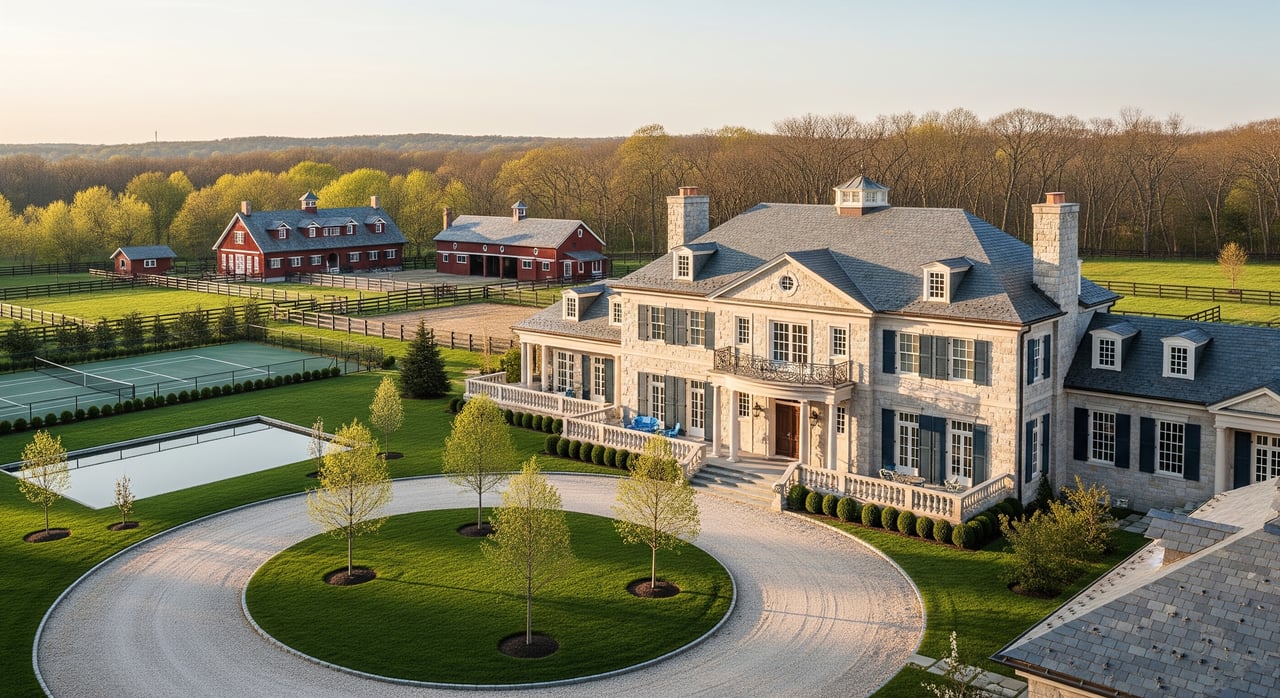
If you own a large Colts Neck estate, you know your property is not like anything on a standard MLS sheet. The land, privacy, amenities and permitting history all shape value in ways that simple price-per-square-foot numbers miss. You want a plan that respects your time, protects your privacy, and delivers a price you can defend with data.
In this guide, you’ll learn what actually drives value for Colts Neck estates, how to think about comps in a thin luxury market, and which legal and environmental factors can shift price. You’ll also get a practical pre-sale checklist so you can move from “considering” to “confident.” Let’s dive in.
What drives value in Colts Neck estates
Location and neighborhood context
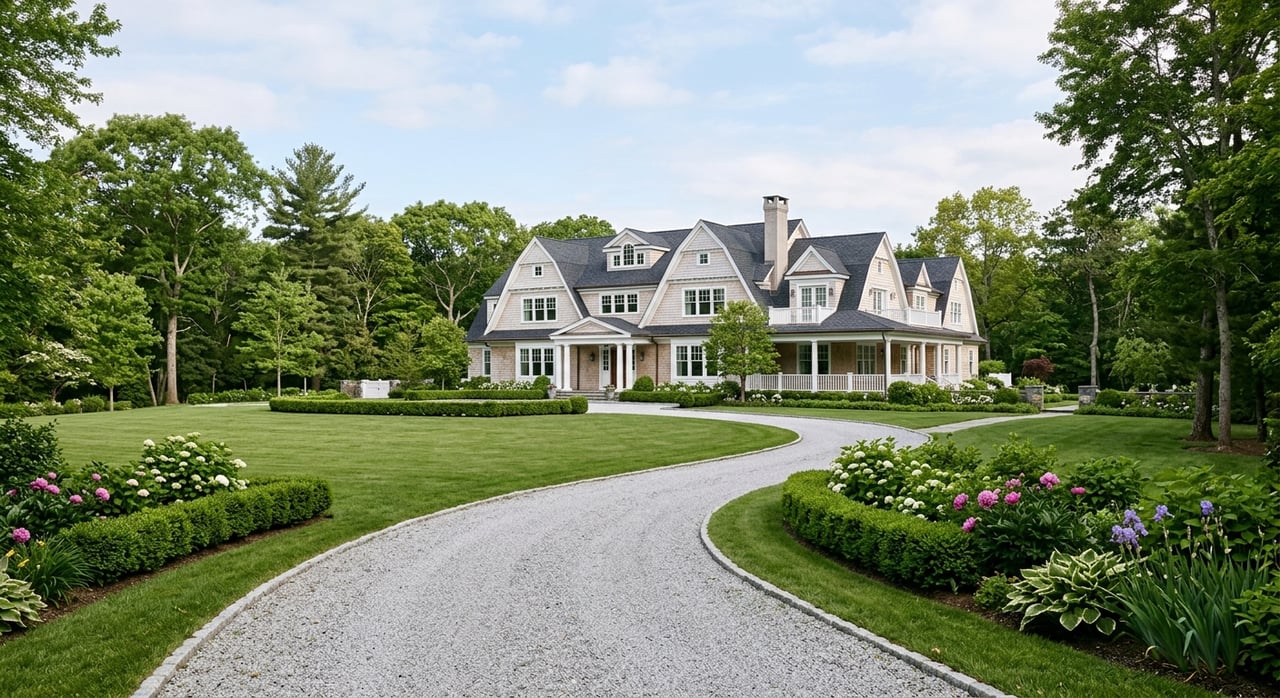
Colts Neck’s identity matters. The township is known for large lots, equestrian properties, and low-density residential zoning. This reputation attracts buyers who value privacy and space. Proximity to private clubs, private schools, and commuting routes like the Garden State Parkway and nearby rail or bus nodes in adjacent towns also helps. Immediate surroundings count too. Roads with limited traffic, a private drive, and a setting among similarly scaled estates signal stability and quality.
Acreage and usable land
Not all acreage is equal. Buyers prize usable, buildable land that is level, cleared or easily cleared, and free of wetlands or steep slopes. Shape and topography influence how land lives day to day. So do frontage, tree buffers, and separation from neighbors. Fenced paddocks, riding areas, and space to add structures can increase willingness to pay when supported by zoning and permits.
Privacy and access
Privacy commands a premium. Tree buffers, setbacks, gated entries and natural topography all reduce sightlines and noise. Strong access matters as well. Reliable road maintenance, clear emergency access and reasonable drive lengths help buyers feel confident about everyday use and insurance costs. Excessively long or compromised drives can push value down.
Condition, construction and systems
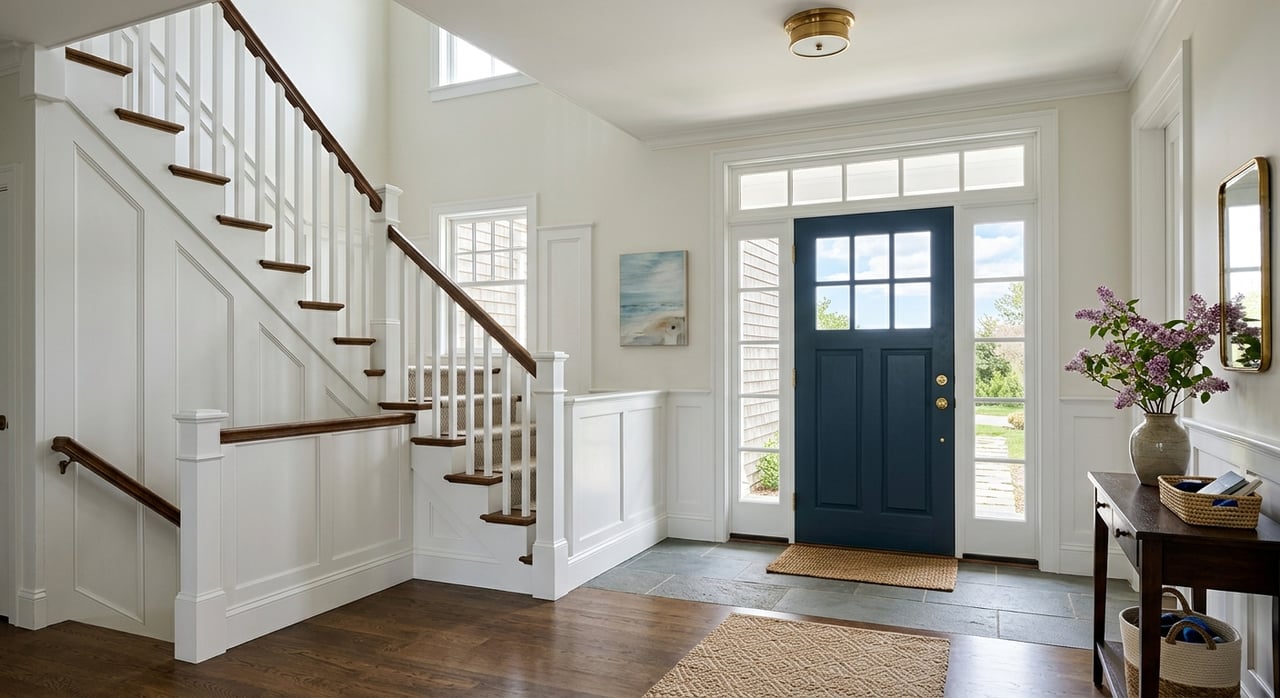
High-capital items get close attention in this segment. A newer roof, updated HVAC, modern electrical panels, and documented septic and well maintenance reduce risk. Recent permitted renovations and strong finishes support higher price, especially when a home is move-in ready. Unique architecture can attract a niche buyer; the key is quality and documentation.
Amenities and functional improvements
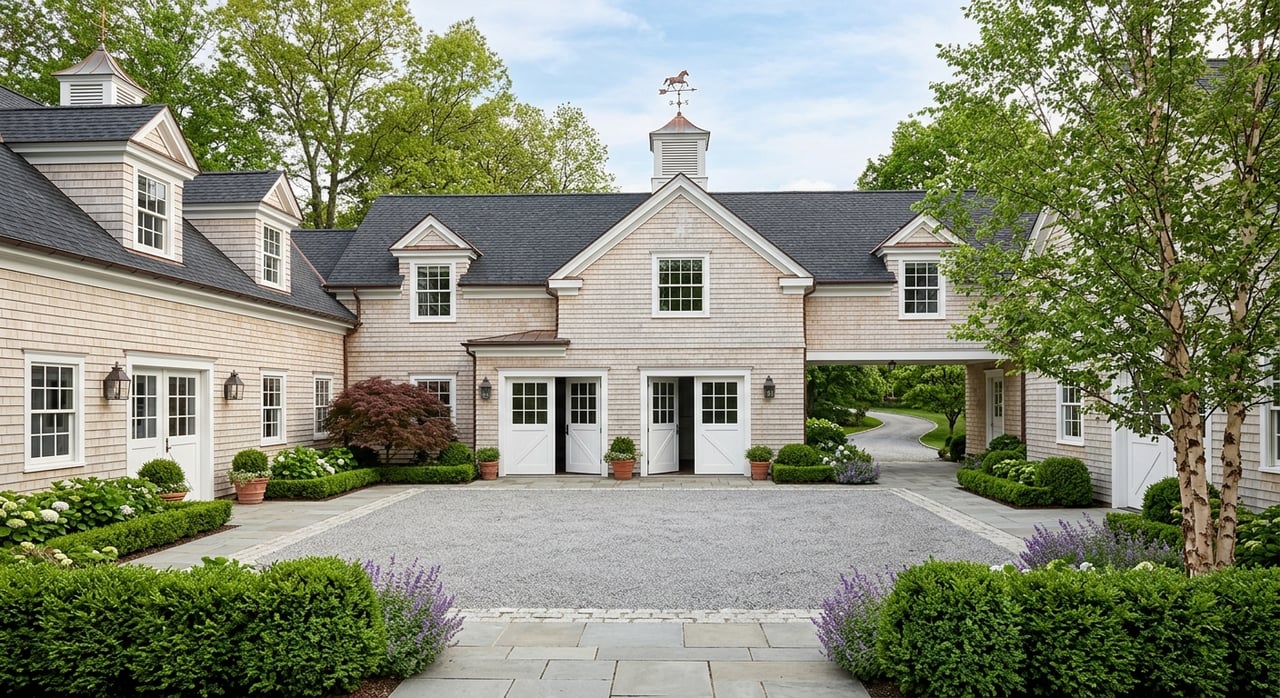
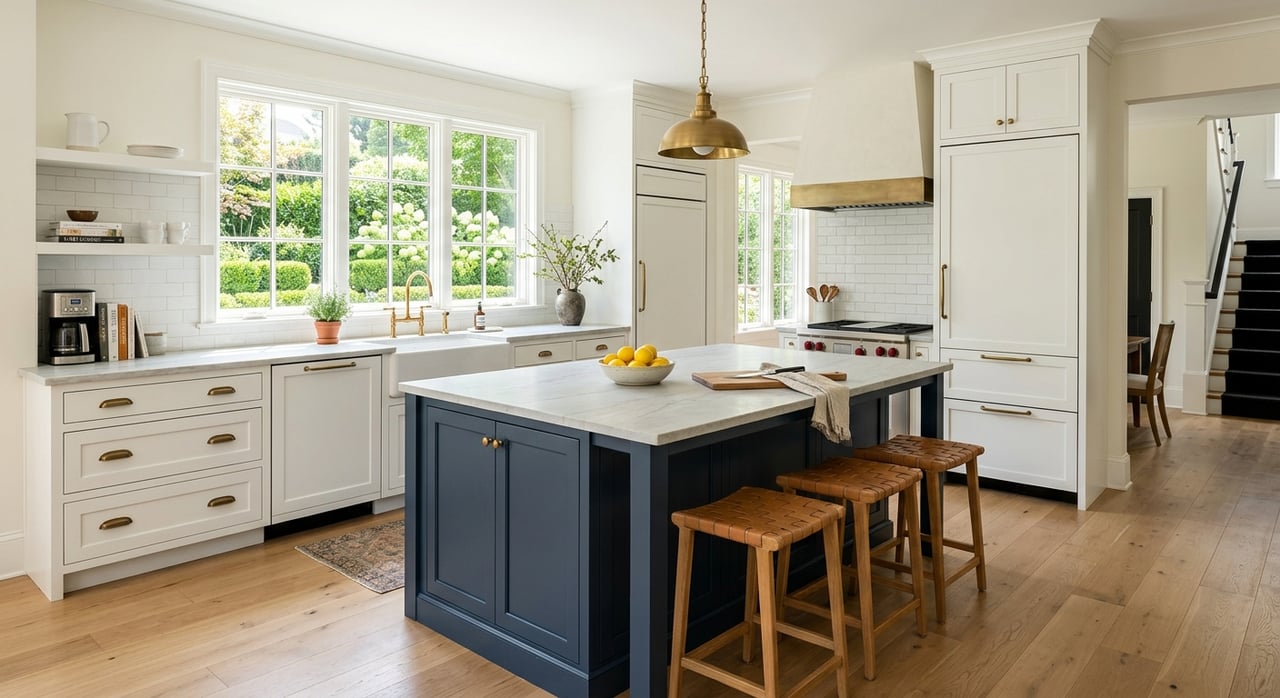
Amenity value depends on the buyer, but some features are expected at the luxury level. Pools and pool houses, chef’s kitchens, guest suites, finished lower levels, home theaters and automation systems all add appeal when well executed. Equestrian facilities such as barns, riding rings and paddocks attract a focused, highly motivated subset of buyers. The contribution to price depends on condition, permitting, and how naturally the amenities fit the property.
Presentation and timing
Professional presentation increases engagement. High-caliber photography, drone imagery, floor plans and a detailed property booklet help buyers picture the lifestyle. Some sellers prefer discretion, which can work well with targeted, private marketing. Market timing also matters. Interest rates, equity markets, and the wider luxury cycle influence the buyer pool and speed of sale.
How to read comps in a thin luxury market
Selecting comparables that actually compare
Closed estate sales in Colts Neck and greater Monmouth County are relatively infrequent. Start with the closest matches possible by neighborhood or road, then widen the lens. Prioritize recent closed sales with public records. Supplement with MLS data and, when available, off-market knowledge to understand list attempts versus actual sale prices.
Making thoughtful adjustments
Document each difference and justify it with logic a buyer or appraiser would accept. Common adjustments include:
- Lot size and usable acreage
- Finished square footage and functional layout
- Bedroom and bath count
- Primary amenities such as pool, guest house or barn
- Quality of construction and recent renovations
- Privacy, view and road type
- Time adjustments for appreciation or softening
Know the limits of simple metrics
Price per square foot and price per acre are blunt tools for estates. Finishes, ceiling heights and layout drive huge swings in price per square foot. Price per acre can overstate land value where the residence is the main contributor and where extra acres add less incrementally. A layered approach is more reliable. Estimate house value per square foot, add contributory land value based on usable acres, then apply add-on values for specialized improvements by referencing similar properties.
Track the right indicators
Follow days on market for luxury segments, list-to-sale price ratios, and the inventory and velocity of high-end listings. Thin inventory often means longer marketing periods and wider negotiation spreads. Macro factors like interest rates and financial-market liquidity affect buyer activity at this level.
Legal and environmental factors that change price
Zoning and permitted uses
Confirm zoning, setbacks and accessory-use permissions with the Colts Neck planning and zoning office. Expansion potential can be a value driver, while restrictions can cap upside. You can start with the Colts Neck Township Planning & Zoning Department to review zoning maps and permitted uses.
Conservation easements and deed restrictions
Easements reduce developable acreage and typically lower value for most buyers. They may offer tax advantages, but the net effect depends on the buyer’s goals. Gather all recorded documents early and be ready to explain them.
Wetlands, buffers and environmental constraints
Wetland boundaries and buffers can limit where you build or clear. For a quick view of potential constraints, review the NJDEP GeoWeb interactive map. Serious buyers may request delineations or permits. Having previous reports on hand can speed due diligence.
Flood risk and insurance
Colts Neck is inland, yet localized floodplains and stormwater issues can exist. Check your FEMA flood zone through the FEMA Flood Map Service Center. Flood status can affect insurance requirements and lender approval.
Septic systems, wells and utilities
Many estates depend on private septic and wells. A failing system or lack of a reserve area can materially reduce value. Buyers will want permit history, service records and water testing. The Monmouth County Health Department offers guidance on local septic and well requirements.
Property taxes and assessments
New Jersey’s property taxes are higher than many states. Buyers weigh tax bills in total ownership cost, so be ready with recent bills and assessment history. Public records are accessible through the Monmouth County Clerk. Distinguish between assessed value and market value when discussing price.
Title, easements and code compliance
Shared driveways, right-of-way agreements, and utility or drainage easements can affect land use and maintenance. Unpermitted additions can spook buyers and lenders. Clear documentation and certificates of occupancy help preserve price and reduce renegotiation risk.
Smart valuation and pricing strategy
Triangulate value, do not guess
Use multiple valuation methods to set a price band, then test the market with a documented rationale.
- Sales Comparison Approach. Core method for residential property. Requires careful adjustment when comps are scarce.
- Cost Approach. Useful for newer or unique structures. Estimate replacement cost less depreciation plus land value.
- Income Approach. Rarely primary for single-family estates unless guest houses, equestrian boarding or agribusiness create reliable income.
Choose your pricing posture
- Price at market. Align asking price with a strong analysis. This often attracts the most qualified buyers and supports firmer negotiations.
- Price high. Leaves room to negotiate but can push away serious buyers and increase days on market.
- Price low. Can spark bidding, yet risks an undershoot when the buyer pool is selective rather than crowded.
- Off-market. Preserves privacy through targeted outreach. Works best with robust private marketing materials and a clear plan to test price.
Seller actions that improve outcomes
Prepare the asset like an investment
- Commission a pre-listing inspection and address clear mechanical or safety issues.
- Order septic and well tests. If boundaries are uncertain, update the survey.
- Consider a pre-listing appraisal by an appraiser experienced with estates and equestrian properties.
Assemble a tight documentation package
- Deed and recent survey or boundary plan
- Title report and any easements or shared-road agreements
- Recent tax bills and assessment history
- Permits and certificates of occupancy for major renovations and outbuildings
- Invoices and warranties for roof, HVAC, pool, septic and well work
- Site plans that show barns, arenas, paddocks, fences and utilities
- Utility bills, insurance claims history and any environmental reports
- Previous appraisals and comparative market analyses
Elevate presentation and timing
Create professional marketing assets that capture the lifestyle. Use photography, drone video, detailed floor plans and a property booklet that documents features and permits. Outdoor amenities show best in spring and summer. If you list in colder months, highlight interiors and price with seasonal dynamics in mind.
Negotiate with the right expectations
Luxury estates often require longer inspection periods and specialized contingencies. Plan for septic, roof, structural and equestrian-facility inspections. Be prepared for appraisal gaps since unique properties challenge lender models. Decide in advance how you will handle a low appraisal, and consider whether confidentiality provisions or NDAs are appropriate for showings.
Your Colts Neck seller checklist
Use this quick list to organize before you engage buyers.
- Deed, survey and any boundary or site plans
- Title report, road maintenance or shared-driveway agreements
- Recent property tax bills and assessment history
- Permits and COs for additions, barns, finished basements and other improvements
- Invoices and warranties for capital items like roof, HVAC and pool systems
- Septic and well permits, service records and recent test results
- Environmental or wetlands reports, if available
- Utility bills and any insurance claims history
- Prior appraisals, broker CMAs and recent local comps
What data to gather before you price
- Zoning and use. Confirm district, setbacks and accessory-dwelling or equestrian rules with the Colts Neck Township Planning & Zoning Department.
- Environmental constraints. Review the NJDEP GeoWeb for wetlands and overlays. Collect any prior delineations or permits.
- Flood zone. Verify through the FEMA Flood Map Service Center.
- Septic and well. Obtain records and testing guidance from the Monmouth County Health Department.
- Taxes and records. Pull deeds, liens and recorded documents through the Monmouth County Clerk.
Work with a team built for high-end estates
Pricing a Colts Neck estate is a multi-step, evidence-based process. You want a team that blends capital-markets thinking with boutique service. With finance-led pricing strategy, white-glove marketing, and the reach of a leading luxury brokerage, you can protect your privacy and still capture maximum market value.
If you are ready to plan your sale, the Suzanne Veninata Team offers expert valuation guidance, professional presentation, and a discreet go-to-market approach tailored to Colts Neck estates. Schedule a complimentary consultation and let us build a strategy around your goals.
FAQs
How do Colts Neck zoning rules affect my estate’s value?
- Zoning can limit or enable expansion, barns, guest quarters or riding rings. Confirm district, setbacks and permitted uses with the Colts Neck planning and zoning office before you price.
Do pools, barns or riding arenas always add value when I sell?
- They can, but impact varies by buyer and condition. Quality construction, permits and seamless integration with the property drive the strongest positive adjustments.
What is the best way to value my land per acre in Colts Neck?
- There is no universal per-acre number for estates. Separate usable, buildable acres from constrained areas, then layer house value and amenities to create a defensible price band.
How long do large estates in Monmouth County typically take to sell?
- Luxury estates usually take longer than average homes due to a smaller buyer pool and precise amenity matching. Inventory levels and pricing discipline are the biggest drivers of days on market.
Should I consider an off-market sale for privacy?
- Off-market can work for privacy when paired with targeted outreach and strong private marketing materials. It can limit competition, so weigh discretion against exposure with your advisor.