Wondering what it really means to buy an equestrian or estate property in Colts Neck? If you are drawn to more land, a quieter setting, or the possibility of horse facilities, this market offers a very different experience from a typical suburban home search. Understanding how Colts Neck is shaped by farmland preservation, low-density zoning, and owner-focused housing can help you buy with more confidence. Let’s dive in.
Why Colts Neck Feels Like an Estate Market
Colts Neck stands apart because it combines space, ownership stability, and a strong rural framework. The township has an estimated 9,989 residents across 30.72 square miles of land, with about 324.2 people per square mile. That low-density pattern supports the feel of a true estate market rather than a conventional suburb.
The housing profile reinforces that impression. About 94.3% of housing units are owner-occupied, the median value of owner-occupied homes is $917,200, and median monthly owner costs with a mortgage exceed $4,000. Median household income is $199,573, which also points to a higher-cost, owner-heavy market.
A major reason Colts Neck maintains this character is its long-term preservation strategy. The township’s adopted Farmland Preservation Plan Element identifies farmland and open space preservation as central to protecting rural character and natural resources. It reports 873.3 acres preserved through the farmland preservation program, 4,450 acres of unprotected farmland in the 2021 tax list, and 7,772.86 acres deed-restricted against further subdivision.
How Agriculture Shapes Daily Life
If you are considering Colts Neck, it helps to understand that agriculture is not just a backdrop here. It is part of how the township is planned and managed. That matters because your experience as a homeowner may include nearby farms, equestrian uses, and local conditions that are very different from denser neighborhoods.
The township’s Right-to-Farm chapter recognizes horse breeding, training, and boarding as accepted agricultural activity. It also addresses on-site manure management and states that purchasers near commercial farms should be informed about those conditions. In practical terms, that means a beautiful rural setting can come with real working-land considerations.
What Equestrian and Estate Properties Often Include
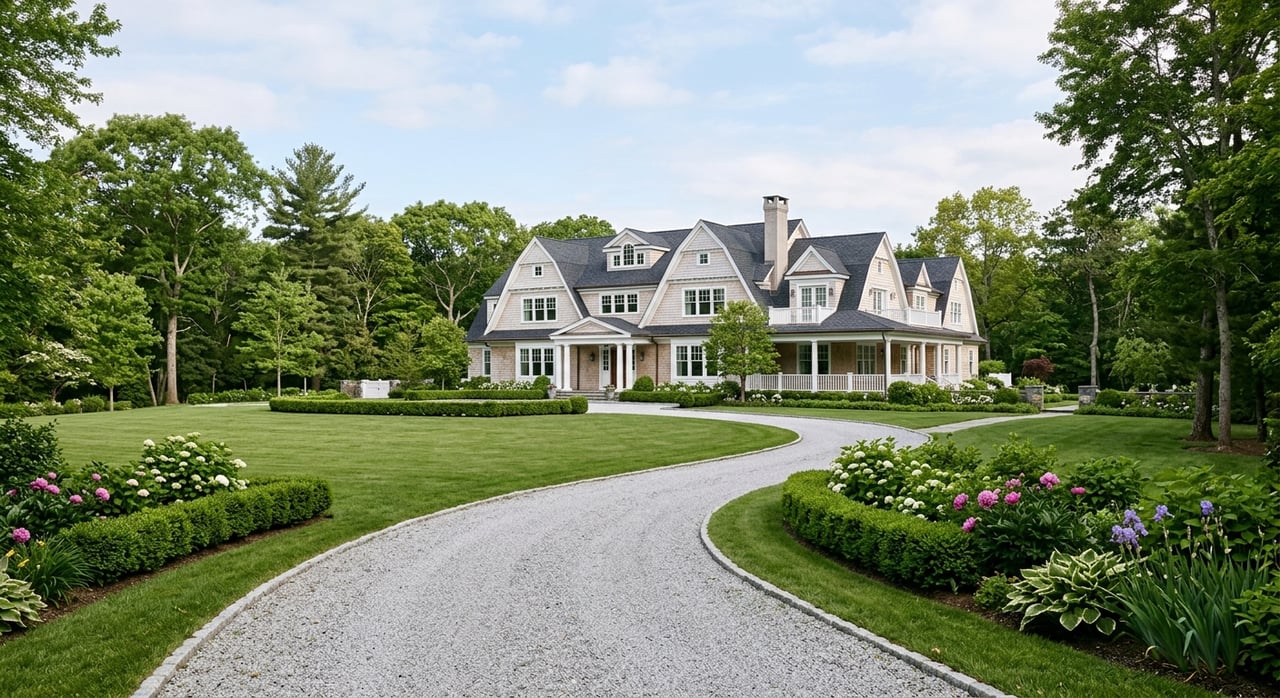
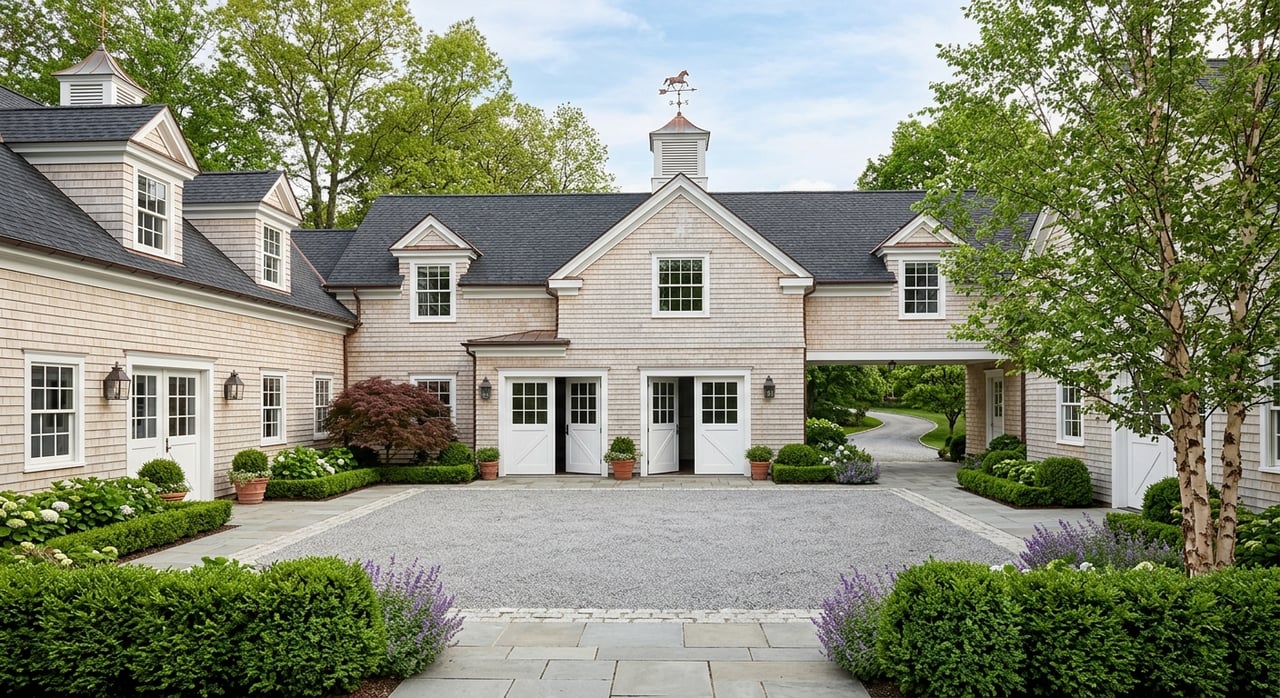
In Colts Neck, an estate property is not always just a larger house on a bigger lot. It may be a custom home on acreage, a horse property with a barn and turnout area, or a larger tract that includes preserved or constrained land. The local zoning and preservation framework strongly support that broader definition.
The zoning code specifically contemplates 10-acre farmettes and flag lots. For lots under 10 acres, the minimum lot area is 88,000 square feet, the maximum lot area is 200,000 square feet, and building coverage is capped at 10%. Those standards show how important land area and open space are to the township’s housing pattern.
In the AG Agricultural District, principal uses include agricultural land, farms, single-family dwellings, golf courses, and vineyards. Accessory uses can include barns, greenhouses, detached garages, pool cabanas, fences, and seasonal farm-worker housing. The code also addresses riding and training stables and horse tracks.
That means buyers should think beyond square footage alone. In Colts Neck, a property’s value and usability may depend just as much on lot layout, permitted uses, open land, and outbuildings as on the home itself.
What to Look for on Horse Property
If you want an equestrian property, your search should focus on both the residence and the land improvements. Not every large property is set up the same way, and not every acreage purchase will fit your goals for riding, boarding, or training.
Key features to evaluate may include:
- Existing barns and stall layout
- Fencing and turnout areas
- Riding arenas or training space
- Access for trailers and service vehicles
- Drainage and field conditions
- Space for future improvements, if allowed
The township’s Open Space and Recreation Plan notes that Colts Neck is home to numerous private equestrian facilities and existing equestrian trails, including examples along Cedar Drive and Heulitt Road. It also notes discussion of a multi-use trail that could serve bicyclists, hikers, and equestrians. For buyers, that supports the area’s long-standing connection to equestrian living.
Lifestyle in Colts Neck
Many buyers are drawn to Colts Neck because the lifestyle feels more open and private. The township’s recreation plan says its main goal is to preserve farmland and open space to sustain rural character. That planning priority shapes how the community looks and feels day to day.
Township facilities include Bucks Mill Recreation Area with 61 acres, Five Points Park with 32 acres, Town Hall Park with 25 acres and a 1.5-mile fitness trail plus two lakes, and Cedar Drive Park with 57 acres. These public spaces add another layer to the outdoor lifestyle many buyers want in this market.
County park amenities also play a role. The Monmouth County Park System identifies two county park facilities totaling 797 acres in Colts Neck: Dorbrook Recreation Area and Hominy Hill Golf Course. Hominy Hill is described by the park system as its signature public course and is often rated among New Jersey’s top public golf courses.
For buyers balancing lifestyle and work, connectivity matters too. Census data shows that 97.7% of households report a broadband subscription, while the mean travel time to work is 33.2 minutes. That combination can suit remote or hybrid work, but your commute tolerance should still be part of the decision.
Questions to Ask Before You Make an Offer
Estate living in Colts Neck can be rewarding, but it usually requires more due diligence than a standard suburban purchase. A home may come with acreage, outbuildings, agricultural context, or land constraints that affect how you use and maintain the property.
Before moving forward, make sure you confirm:
- How much of the acreage is actually usable after wetlands, easements, and buffers
- Whether horse use is allowed now and likely to remain allowed in the future
- Whether existing stalls, fencing, turnout areas, or arenas are included in the sale
- Whether there are deed restrictions or preserved-development-rights issues
- What the annual upkeep may look like for mowing, snow removal, fencing, barn care, and exterior maintenance
These are not minor details. They can shape both your daily enjoyment and your long-term ownership costs.
Why Wells, Septic, and Land Planning Matter
Colts Neck’s low-density development pattern can rely on on-site wells and septic systems, which makes property-level planning especially important. Compared with a typical suburban purchase, buyers here often need to pay closer attention to water, drainage, and maintenance responsibilities.
That does not mean every property will be complicated. It does mean you should understand the basics of how the site functions before you commit. On a larger property, small differences in grading, drainage, and system placement can have a meaningful impact on usability.
Budgeting Beyond the Purchase Price
In an estate market, the purchase price is only part of the financial picture. Larger lots and horse facilities can increase carrying costs and operating complexity, especially if you are buying a property with specialized improvements.
The census figures already suggest a relatively high ownership baseline in Colts Neck, with a median owner-occupied home value of $917,200 and median monthly owner costs with a mortgage above $4,000. Beyond that, buyers should think carefully about regular upkeep, seasonal maintenance, and the cost of maintaining land and structures over time.
If you are comparing Colts Neck with more traditional suburban options, this is often where the difference becomes most clear. You may gain privacy, open space, and flexibility, but those advantages usually come with more responsibility.
Who Colts Neck May Suit Best
Colts Neck can be a strong fit if you want space, privacy, and a property that feels connected to open land and a rural setting. It may also appeal to buyers seeking a custom-home environment or looking for equestrian potential in Monmouth County.
At the same time, this market tends to work best for buyers who are comfortable with added property oversight. If you value acreage but prefer very low maintenance, it is important to weigh that tradeoff early. The right fit often comes down to how you want to live day to day, not just what looks appealing in photos.
Buying in a market like Colts Neck is about matching the property to your lifestyle, your long-term plans, and your comfort level with land stewardship. With the right guidance, you can sort through those details and focus on opportunities that truly fit.
If you are considering Colts Neck or comparing Monmouth County luxury markets, the Suzanne Veninata Team can help you evaluate the lifestyle, land considerations, and property features that matter most.
FAQs
What makes Colts Neck an estate market?
- Colts Neck has a low-density layout, high owner-occupancy, relatively high home values, and a preservation framework centered on farmland and open space.
What kinds of equestrian uses are recognized in Colts Neck?
- Colts Neck’s Right-to-Farm chapter recognizes horse breeding, training, and boarding as accepted agricultural activity.
What should buyers check on a Colts Neck horse property?
- Buyers should confirm usable acreage, horse-use permissions, included improvements like stalls or fencing, deed restrictions, and expected maintenance needs.
Are large lots common in Colts Neck?
- Yes. The zoning code contemplates 10-acre farmettes and requires substantial lot sizes, with limits on building coverage that support open-space character.
What lifestyle amenities are available in Colts Neck?
- Colts Neck offers township parks, county recreation facilities, open-space preservation, and access to equestrian-oriented surroundings that support an outdoor-focused lifestyle.
Why do wells and septic matter in Colts Neck home purchases?
- Because low-density development can rely on on-site wells and septic systems, buyers should pay close attention to water, drainage, and site maintenance planning.